Category: Management
-
Head and Neck Cancer and Dysphagia: Treatment Options and Timing
Effective management of dysphagia in head and neck cancer patients involves early assessment and initiation of swallowing therapy alongside treatment. Various strategies, including rigorous swallowing exercises and innovative programs like MD Anderson’s Swallowing Boot Camp, show promise in improving swallowing function and quality of life, despite challenges in standardization and adherence.
Written by
·
-
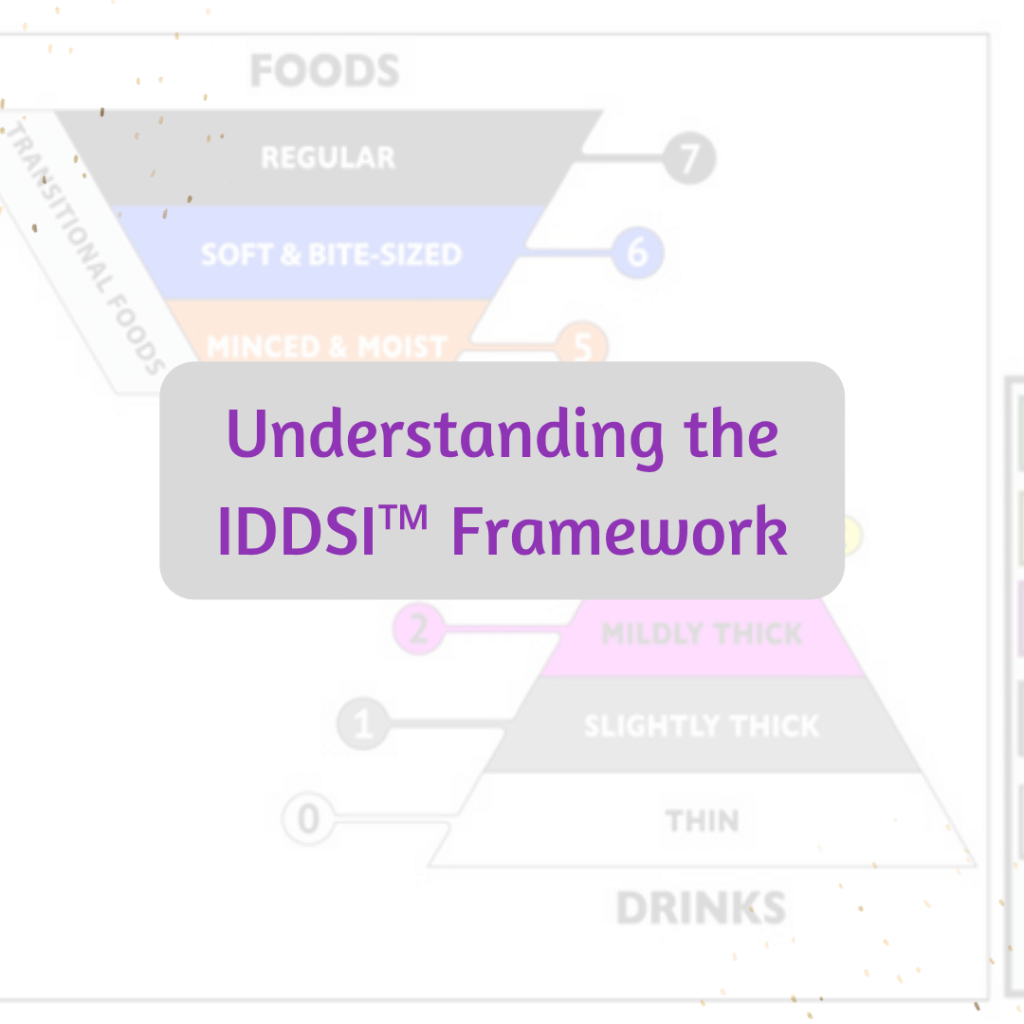
Understanding the IDDSI™ Framework
The International Dysphagia Diet Standardisation Initiative (IDDSI™) provides a unified system for food and drink consistencies, enhancing patient safety. It replaces the National Dysphagia Diet, offering clear levels for drinks and foods, minimizing risks. Resources such as testing cards and guides support implementation and training in diverse healthcare settings.
Written by
·
-

Measuring Outcomes for Success…..What are You Using?
The Dysphagia Toolbox offers valuable tools for dysphagia assessment and treatment. Various free outcome measures like questionnaires and screening tools support clinicians in evaluating patients effectively. These assessments track progress and ensure reliable evaluations, which are essential for optimal dysphagia management and documentation in compliance with healthcare standards.
Written by
·
-

Oral Care
Oral care is crucial in managing dysphagia and preventing aspiration pneumonia. It involves maintaining oral hygiene to reduce harmful bacteria. Various factors contribute to aspiration pneumonia, including health status and oral care quality. Tools like the Oral Health Assessment Tool (OHAT) help evaluate oral health and promote effective care practices.
Written by
·
-

Respiratory Muscle Strength Training (RMST) and Dysphagia
RMST has strong implications for dysphagia treatment, is surprisingly easy to implement, and (bonus!) is pretty affordable. Whether you’re working in acute care, SNFs, or home health, this is something you’ll want to have in your clinical back pocket. What is RMST? RMST involves strengthening the muscles responsible for inspiration and expiration. There are two…
Written by
·
-

Exercise in Dysphagia Therapy: Let’s Get Functional
Recent, and not-so-recent, dysphagia literature has made one thing very clear: exercise physiology belongs in swallowing rehab. Researchers like Lazarus, Robbins, Burkhead, and Clark have emphasized that understanding the muscles involved in swallowing and how they actually function is key to designing exercises that work. Spoiler alert: just having someone swallow applesauce with a side…
Written by
·
-

Chin Tuck Against Resistance (CTAR): A Powerhouse Exercise for Suprahyoid Strengthening
Discover how the Chin Tuck Against Resistance (CTAR) exercise supports swallowing rehabilitation, strengthens the suprahyoid muscles, and offers a more accessible alternative to the Shaker exercise.
Written by
·
-
Pudding with a Straw: A Functional Swallowing Exercise with Real Resistance
Looking for a simple but effective exercise to strengthen the entire swallowing mechanism using resistance? So was I. Over the years, I’ve tried many different exercises with my patients. One of my go-to favorites, though it earns me a few side-eyes from coworkers, is an unusual yet highly effective technique I call: Pudding with a…
Written by
·
-

Swallowing Without a Tongue: Let’s Talk Glossectomy
I’ve worked with a number of patients over the years who’ve had partial glossectomiesbut recently, I’ve had five patients with total glossectomies. Let that sink in for a second. Total glossectomy. As in, no tongue. It sounds like a nearly impossible task: getting someone to eat or drink again when one of the primary driving…
Written by
·
-

Pharyngocise
Patients with head and neck cancer must engage in early swallowing function preservation, ideally before treatment begins. A study demonstrated that the “Pharyngocise” approach provided better outcomes in muscle preservation and swallowing function compared to usual care. Consistent engagement in exercise during treatment can significantly benefit recovery post-therapy.
Written by
·
 Dysphagia Ramblings