Tag: Dysphagia Evaluation
-
LSVT LOUD and Swallowing: How a Voice Treatment Helps Dysphagia
LSVT LOUD, originally for Parkinson’s voice issues, may also benefit swallowing due to shared anatomical structures. Research indicates it can enhance vocal fold closure, improve cough strength, and optimize neuromuscular control, leading to better swallowing efficiency. However, further studies are needed to establish its efficacy for dysphagia universally.
Written by
·
-
The Free Water Protocol: Why Sometimes All a Patient Wants Is Just… Water
The Free Water Protocol allows certain patients, particularly those on thickened liquids or NPO status, to safely consume regular water between meals. Emphasizing hydration and patient dignity, it incorporates oral care and eligibility criteria. Research shows it enhances hydration and patient satisfaction, countering dehydration and fostering a sense of normalcy in care.
Written by
·
-

How to Prevent Dehydration in Dysphagia: Evidence-Based Hydration Tools for SLPs
Discover safe, research-supported hydration techniques for dysphagia—ice chips, free water, moisture-rich foods, and oral care to reduce dehydration risk.
Written by
·
-

Flexible Endoscopic Evaluation of Swallowing (FEES) One Gold Standard Assessment
FEES (Flexible Endoscopic Evaluation of Swallowing) is an assessment procedure gaining recognition alongside the Modified Barium Swallow Study (MBSS). It allows real-time visualization of swallowing mechanics without barium, offering insights into aspiration and residue. Myths surrounding FEES, such as pain and safety, are debunked, reinforcing its value in dysphagia diagnosis.
Written by
·
-
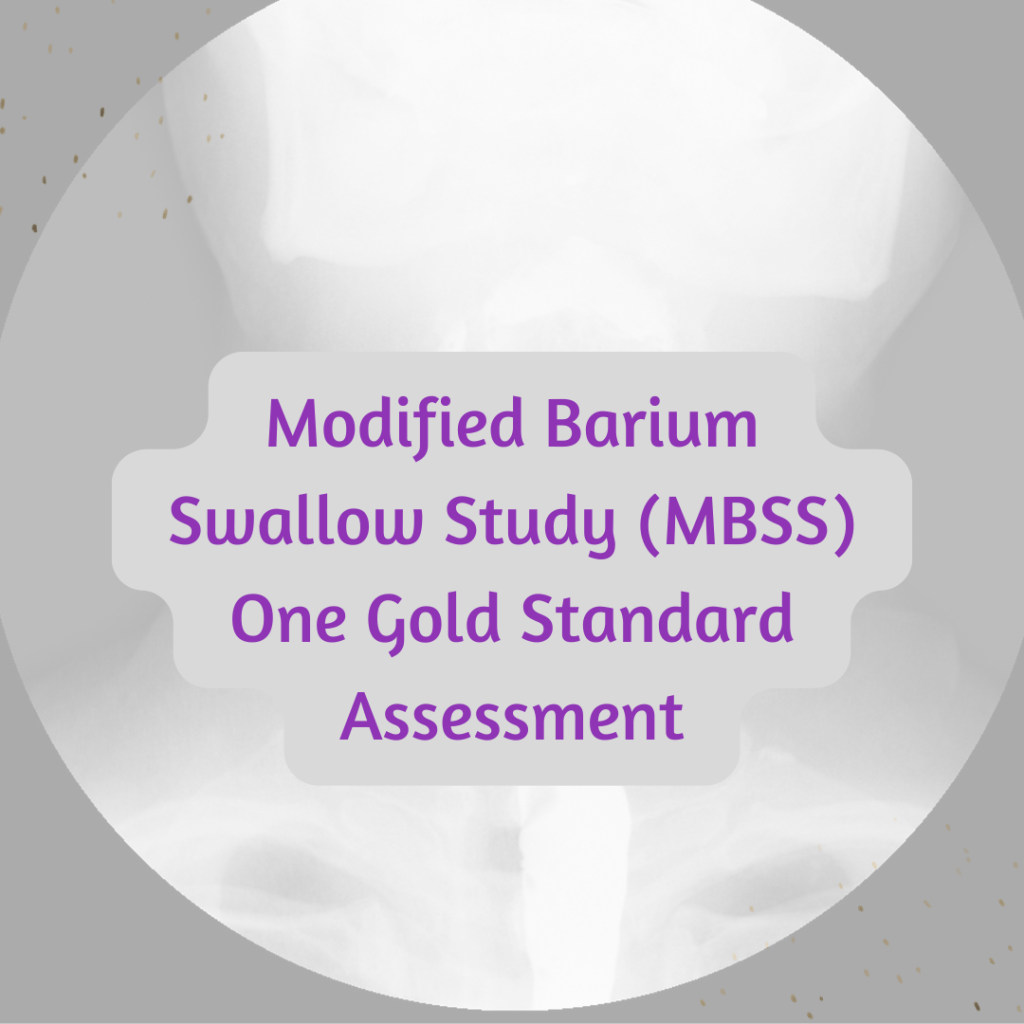
Modified Barium Swallow Study (MBSS) One Gold Standard Assessment
The dysphagia field is divided between Modified Barium Swallow Study (MBSS) and Flexible Endoscopic Evaluation of Swallowing (FEES). Each assessment has its strengths, and using both together offers a comprehensive understanding of swallowing function. Advocating for access to both methods can enhance patient evaluation and treatment outcomes, focusing on physiological deficits rather than just safety.
Written by
·
-

30 Facts About Dysphagia to Raise Awareness and Improve Patient Care
June is Dysphagia Awareness Month, highlighting the condition affecting millions. Dysphagia, or difficulty swallowing, can stem from various underlying issues and leads to serious health risks. Speech-Language Pathologists play a vital role in diagnosis and treatment. Raising awareness about dysphagia improves outcomes for patients, caregivers, and healthcare providers alike.
Written by
·
-

Math and Dysphagia
The blog post by George Barnes and Doreen Benson emphasizes the importance of incorporating statistics into speech-language pathology (SLP) practices, specifically for treating dysphagia. It discusses common cognitive biases affecting clinical decision-making and stresses the need for a more analytical approach in evaluating patient risks and benefits, promoting better outcomes in care.
Written by
·
-

How Cognition Influences Swallowing Safety
Cognition significantly influences swallowing abilities, with cognitive decline leading to increased risks of aspiration and malnutrition. A clinical case illustrated that normalizing sodium levels improved swallowing function. Studies show that cognitive assessments predict aspiration risks, highlighting the importance of screening patients’ orientation and command-following before dysphagia evaluations to ensure safety in oral intake.
Written by
·
-
Post-Extubation Dysphagia: What the Evidence Tells Us
What happens to the sensory aspect of the swallow with extubation? What should we expect with patients that have intubation for more than 48 hours?
Written by
·
-

Compensatory Techniques
Compensatory strategies aid individuals facing swallowing difficulties, such as aspiration or mastication issues, by altering swallowing mechanics. Techniques include specific maneuvers and postures designed to improve swallow efficacy. While some strategies offer short-term solutions, others may provide lasting benefits, warranting assessment for effectiveness during instrumental evaluations.
Written by
·
 Dysphagia Ramblings