Tag: Dysphagia
-

MD Anderson Bootcamp for Swallowing
Dysphagia post-head and neck cancer treatment is a significant challenge for clinicians. MD Anderson’s 2012 Dysphagia Boot Camp offers a reactive therapy for patients with severe swallowing difficulties. Through intensive, multidisciplinary approaches, participants engage in personalized rehabilitation aiming to improve safety, efficiency, and quality of life, resulting in notable improvements in swallowing outcomes.
Written by
·
-

Redefining Dysphagia Care: From Observation to Rehabilitation
The post discusses the inadequacies of current dysphagia therapy practices, emphasizing the need for instrumental evaluations like MBSS and FEES to properly assess swallowing. It criticizes superficial interventions in favor of evidence-based, individualized rehabilitation strategies that enhance patient outcomes. The author urges speech-language pathologists to adopt a proactive approach in their therapy sessions.
Written by
·
-
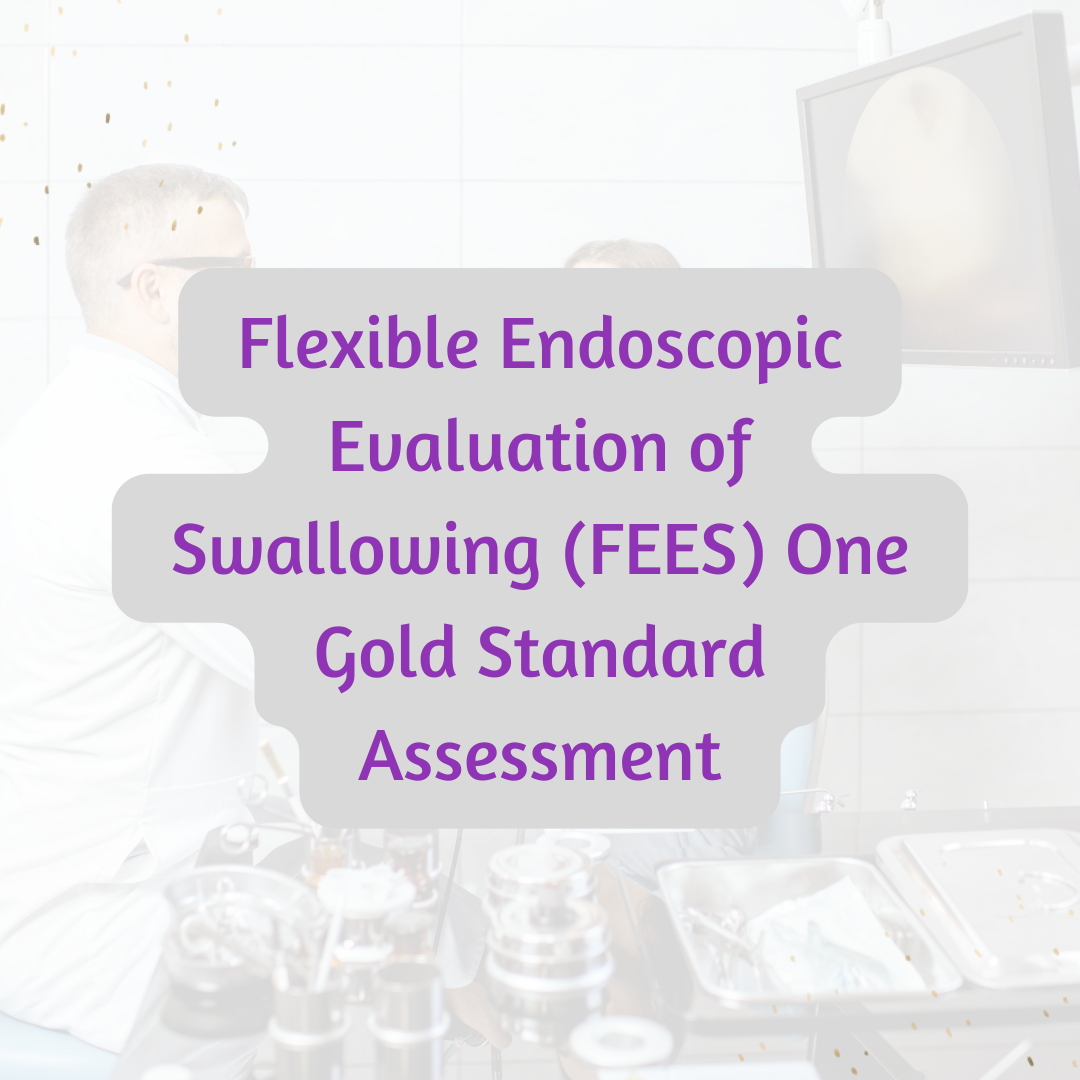
Flexible Endoscopic Evaluation of Swallowing (FEES) One Gold Standard Assessment
FEES (Flexible Endoscopic Evaluation of Swallowing) is an assessment procedure gaining recognition alongside the Modified Barium Swallow Study (MBSS). It allows real-time visualization of swallowing mechanics without barium, offering insights into aspiration and residue. Myths surrounding FEES, such as pain and safety, are debunked, reinforcing its value in dysphagia diagnosis.
Written by
·
-
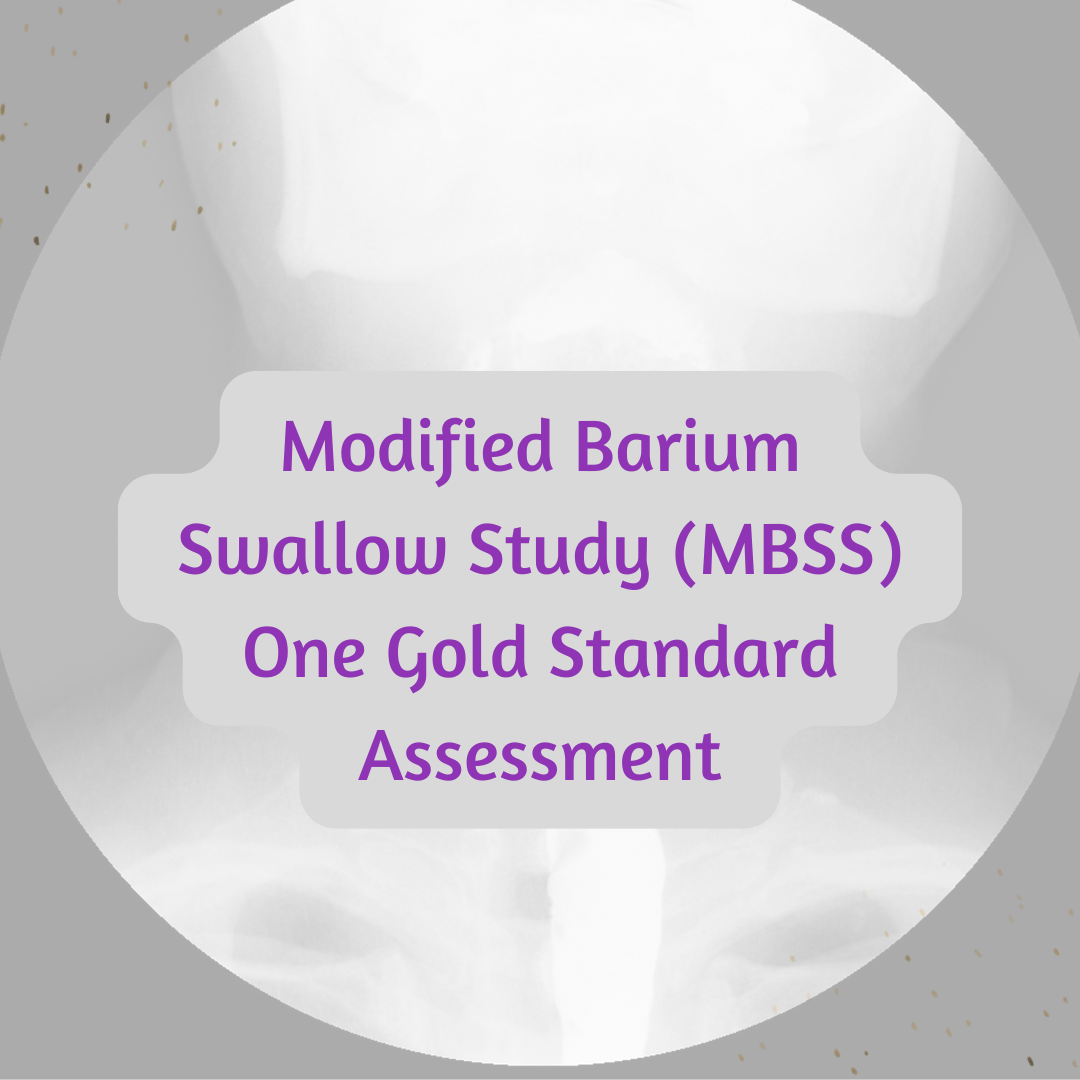
Modified Barium Swallow Study (MBSS) One Gold Standard Assessment
The dysphagia field is divided between Modified Barium Swallow Study (MBSS) and Flexible Endoscopic Evaluation of Swallowing (FEES). Each assessment has its strengths, and using both together offers a comprehensive understanding of swallowing function. Advocating for access to both methods can enhance patient evaluation and treatment outcomes, focusing on physiological deficits rather than just safety.
Written by
·
-

30 Facts About Dysphagia to Raise Awareness and Improve Patient Care
June is Dysphagia Awareness Month, highlighting the condition affecting millions. Dysphagia, or difficulty swallowing, can stem from various underlying issues and leads to serious health risks. Speech-Language Pathologists play a vital role in diagnosis and treatment. Raising awareness about dysphagia improves outcomes for patients, caregivers, and healthcare providers alike.
Written by
·
-

Nutrition Essentials for Modified Diets
Nutrition is vital for health, especially for individuals on modified diets, who are at risk of malnutrition. Macronutrients (carbohydrates, proteins, fats) and micronutrients (vitamins, minerals) play crucial roles. Strategies such as food fortification, small frequent meals, and hydration can enhance nutritional intake, ensuring patients maintain health and well-being despite dietary restrictions.
Written by
·
-

Intensive Dysphagia Rehabilitation (IDR)
Intensive Dysphagia Rehabilitation (IDR) streamlines therapy for patients with moderate to severe dysphagia through evidence-based protocols leveraging neuroplasticity. By focusing on targeted swallowing exercises and patient adherence, IDR enhances treatment efficacy, improving patient outcomes and compliance. It marks a significant shift from compensation to active rehabilitation in dysphagia therapy.
Written by
·
-

Math and Dysphagia
The blog post by George Barnes and Doreen Benson emphasizes the importance of incorporating statistics into speech-language pathology (SLP) practices, specifically for treating dysphagia. It discusses common cognitive biases affecting clinical decision-making and stresses the need for a more analytical approach in evaluating patient risks and benefits, promoting better outcomes in care.
Written by
·
-
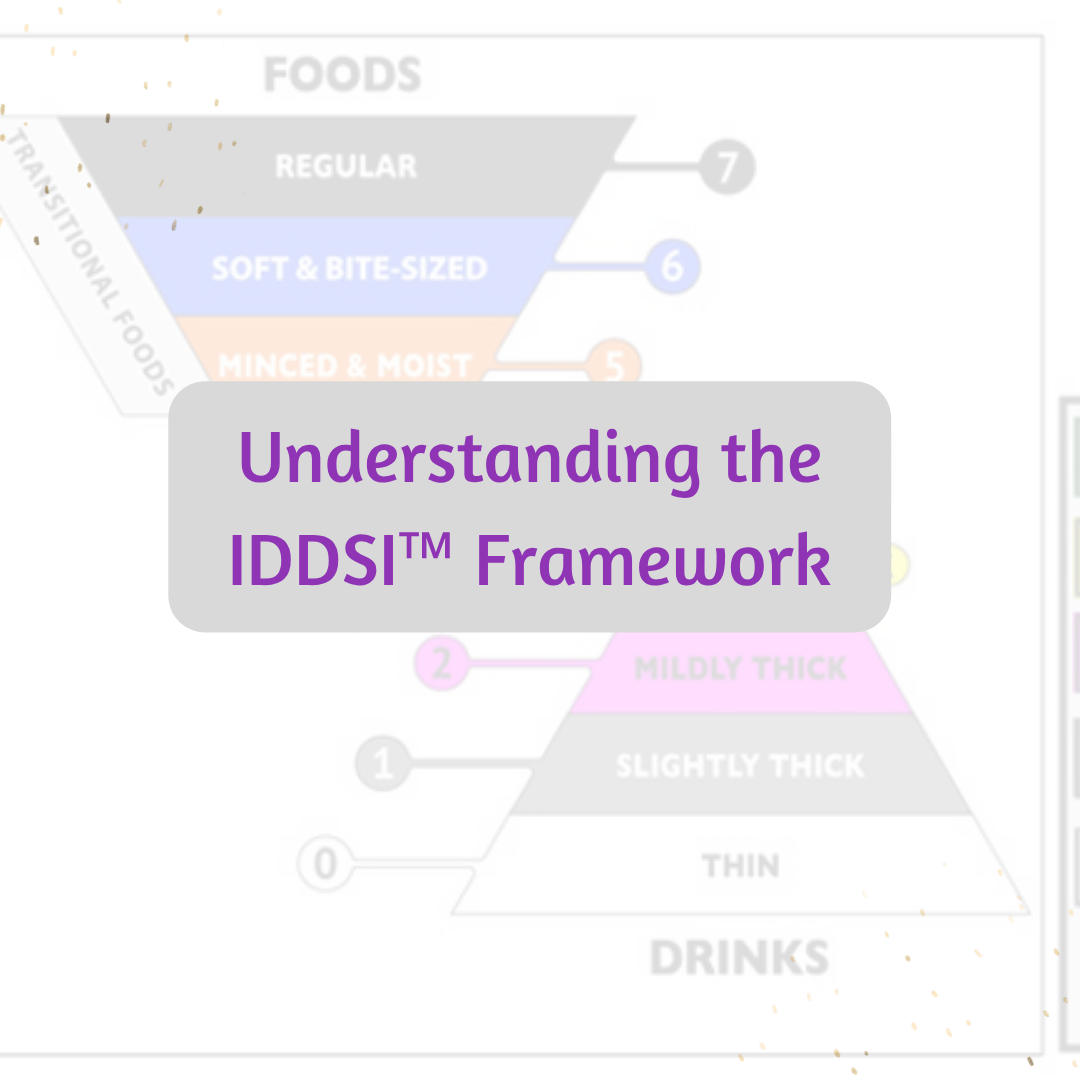
Understanding the IDDSI™ Framework
The International Dysphagia Diet Standardisation Initiative (IDDSI™) provides a unified system for food and drink consistencies, enhancing patient safety. It replaces the National Dysphagia Diet, offering clear levels for drinks and foods, minimizing risks. Resources such as testing cards and guides support implementation and training in diverse healthcare settings.
Written by
·
-

Measuring Outcomes for Success…..What are You Using?
The Dysphagia Toolbox offers valuable tools for dysphagia assessment and treatment. Various free outcome measures like questionnaires and screening tools support clinicians in evaluating patients effectively. These assessments track progress and ensure reliable evaluations, which are essential for optimal dysphagia management and documentation in compliance with healthcare standards.
Written by
·