Tag: Swallowing Disorders
-

30 Facts About Dysphagia to Raise Awareness and Improve Patient Care
June is Dysphagia Awareness Month, highlighting the condition affecting millions. Dysphagia, or difficulty swallowing, can stem from various underlying issues and leads to serious health risks. Speech-Language Pathologists play a vital role in diagnosis and treatment. Raising awareness about dysphagia improves outcomes for patients, caregivers, and healthcare providers alike.
Written by
·
-

Nutrition Essentials for Modified Diets
Nutrition is vital for health, especially for individuals on modified diets, who are at risk of malnutrition. Macronutrients (carbohydrates, proteins, fats) and micronutrients (vitamins, minerals) play crucial roles. Strategies such as food fortification, small frequent meals, and hydration can enhance nutritional intake, ensuring patients maintain health and well-being despite dietary restrictions.
Written by
·
-
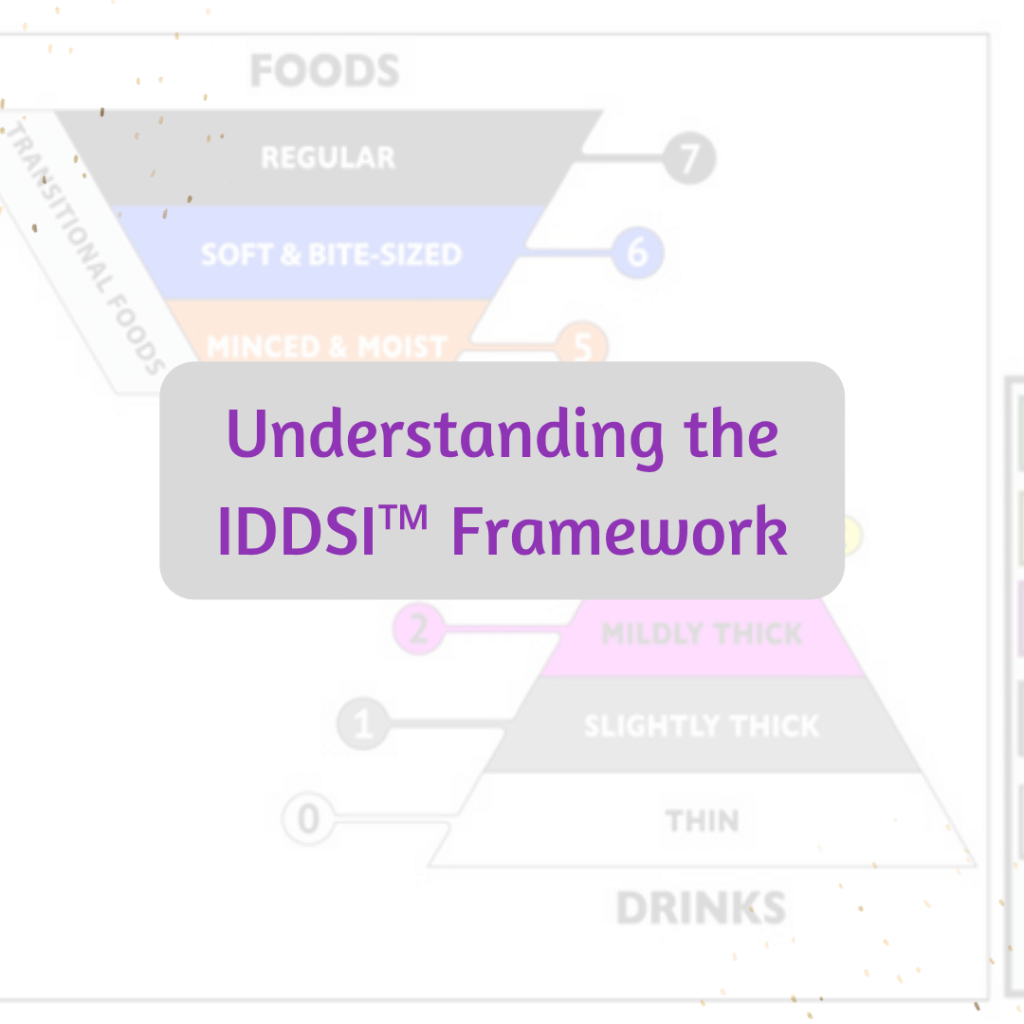
Understanding the IDDSI™ Framework
The International Dysphagia Diet Standardisation Initiative (IDDSI™) provides a unified system for food and drink consistencies, enhancing patient safety. It replaces the National Dysphagia Diet, offering clear levels for drinks and foods, minimizing risks. Resources such as testing cards and guides support implementation and training in diverse healthcare settings.
Written by
·
-

Measuring Outcomes for Success…..What are You Using?
The Dysphagia Toolbox offers valuable tools for dysphagia assessment and treatment. Various free outcome measures like questionnaires and screening tools support clinicians in evaluating patients effectively. These assessments track progress and ensure reliable evaluations, which are essential for optimal dysphagia management and documentation in compliance with healthcare standards.
Written by
·
-

Oral Care
Oral care is crucial in managing dysphagia and preventing aspiration pneumonia. It involves maintaining oral hygiene to reduce harmful bacteria. Various factors contribute to aspiration pneumonia, including health status and oral care quality. Tools like the Oral Health Assessment Tool (OHAT) help evaluate oral health and promote effective care practices.
Written by
·
-

Respiratory Muscle Strength Training (RMST) and Dysphagia
RMST has strong implications for dysphagia treatment, is surprisingly easy to implement, and (bonus!) is pretty affordable. Whether you’re working in acute care, SNFs, or home health, this is something you’ll want to have in your clinical back pocket. What is RMST? RMST involves strengthening the muscles responsible for inspiration and expiration. There are two…
Written by
·
-

What the Heck is the MBSImP?
The Modified Barium Swallow Impairment Profile (MBSImP™) standardizes the interpretation of Modified Barium Swallow Studies (MBSS) through a clear, evidence-based protocol. Developed by Dr. Bonnie Martin-Harris, it focuses on assessing and treating dysphagia by quantifying impairments, guiding rehabilitation, and enhancing clinical understanding of swallowing dysfunction.
Written by
·
-

Laryngeal Palpation in Swallowing Evaluations: Feel It to Believe It?
As the patient swallows, the SLP feels for hyolaryngeal movement to judge the speed and completeness of elevation. It’s a technique that’s been around for a while—but how reliable is it?
Written by
·
-

Cervical Auscultation
Cervical Auscultation (CA) uses a stethoscope to listen to swallow sounds, aiding in assessing swallowing and airway function. However, a systematic review reveals insufficient reliability and validity for diagnosing dysphagia in adults and children. CA should not be a stand-alone diagnostic tool, as sound patterns do not consistently correlate with physiological events.
Written by
·
-

The Yale Swallow Protocol
The Yale Swallow Protocol, based on the 3-Ounce Swallow Test, provides a quick screening method for dysphagia, focusing on cognition and oral motor function. Administering involves giving a patient three ounces of water to drink while observing for signs of aspiration. This tool is easy to teach, though not suitable for all patients.
Written by
·
 Dysphagia Ramblings