Tag: Swallowing Evaluation
-
Advocating for Instrumental Assessment
Many speech-language pathologists (SLPs) forgo instrumental assessments for dysphagia due to lack of access and facility policies. This can lead to misdiagnosis and increased healthcare costs. Advocating for instrumental evaluations is crucial, as they can reduce unnecessary dietary modifications and rehospitalizations, ultimately improving patient outcomes and saving money.
Written by
·
-

Laryngeal Palpation in Swallowing Evaluations: Feel It to Believe It?
As the patient swallows, the SLP feels for hyolaryngeal movement to judge the speed and completeness of elevation. It’s a technique that’s been around for a while—but how reliable is it?
Written by
·
-
Cervical Auscultation
Cervical Auscultation (CA) uses a stethoscope to listen to swallow sounds, aiding in assessing swallowing and airway function. However, a systematic review reveals insufficient reliability and validity for diagnosing dysphagia in adults and children. CA should not be a stand-alone diagnostic tool, as sound patterns do not consistently correlate with physiological events.
Written by
·
-
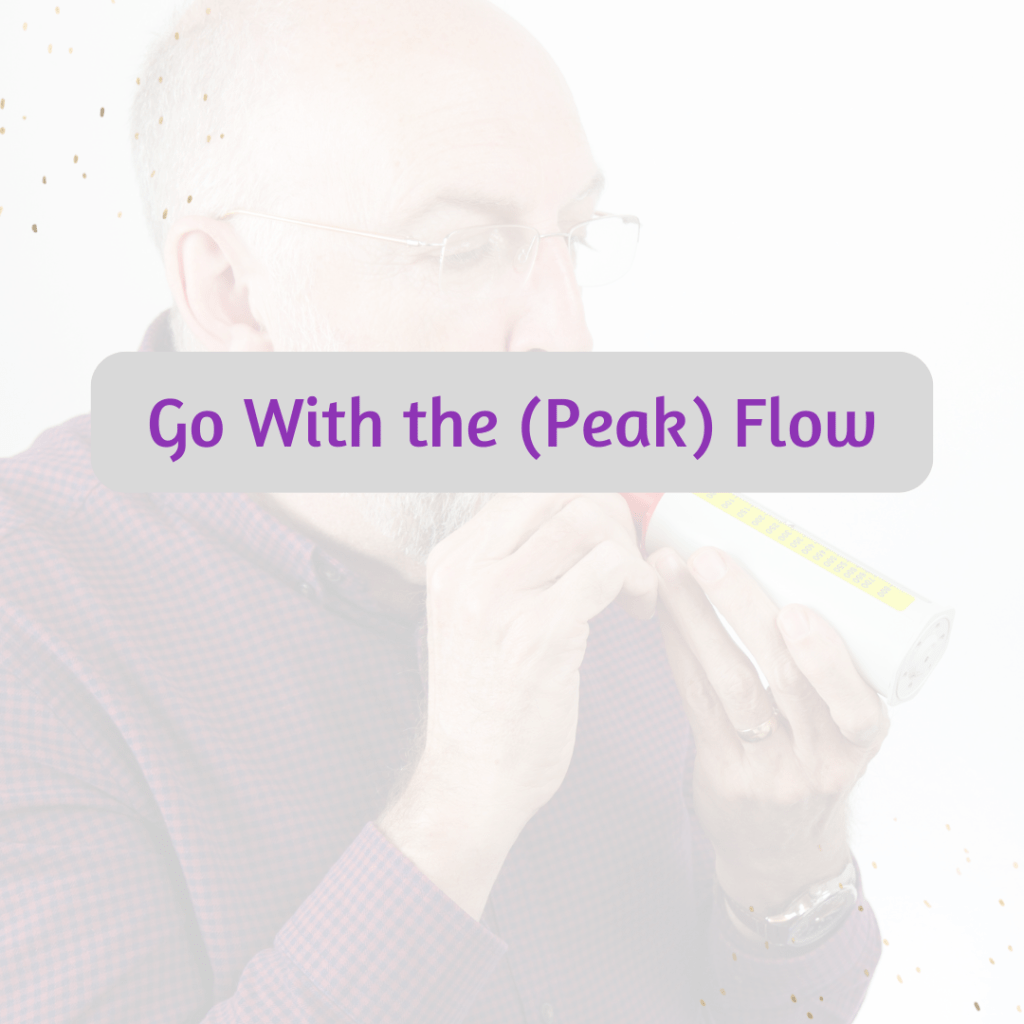
Go With the (Peak) Flow
Insurance companies prioritize objective data, making it vital to incorporate measures like Peak Expiratory Flow (PEF) in Clinical Swallow Evaluations (CSE) to assess cough strength and airway protection. PEF demonstrates a strong correlation with aspiration risks, thereby enhancing dysphagia management through reliable and quick assessments, allowing for better documentation and therapy tracking.
Written by
·
-

The Yale Swallow Protocol
The Yale Swallow Protocol, based on the 3-Ounce Swallow Test, provides a quick screening method for dysphagia, focusing on cognition and oral motor function. Administering involves giving a patient three ounces of water to drink while observing for signs of aspiration. This tool is easy to teach, though not suitable for all patients.
Written by
·
-

3 Reasons You Should Never “Fake it Till You Make it” in Dysphagia
Faking it in dysphagia therapy poses significant risks. Confidence is essential, but without proper knowledge, misdiagnoses and harmful recommendations can occur. The ASHA Code of Ethics emphasizes honesty and competence. Professionals should seek education, mentorship, and prioritize patient safety, ensuring informed, evidence-based interventions in dysphagia care.
Written by
·
-

The Great Thickener Challenge
The Great Thickener Challenge explores various thickening options for patients needing modified liquids. After sampling several brands, participants preferred Simply Thick due to its pleasant taste and consistency. Concerns about the use of thickened liquids impact hydration and aspiration risks, emphasizing the need for careful recommendations and education on dysphagia.
Written by
·
 Dysphagia Ramblings