Author: Tiffani Wallace-SLP and Certified Nutrition Coach
-
Cervical Auscultation
Cervical Auscultation (CA) uses a stethoscope to listen to swallow sounds, aiding in assessing swallowing and airway function. However, a systematic review reveals insufficient reliability and validity for diagnosing dysphagia in adults and children. CA should not be a stand-alone diagnostic tool, as sound patterns do not consistently correlate with physiological events.
Written by
·
-
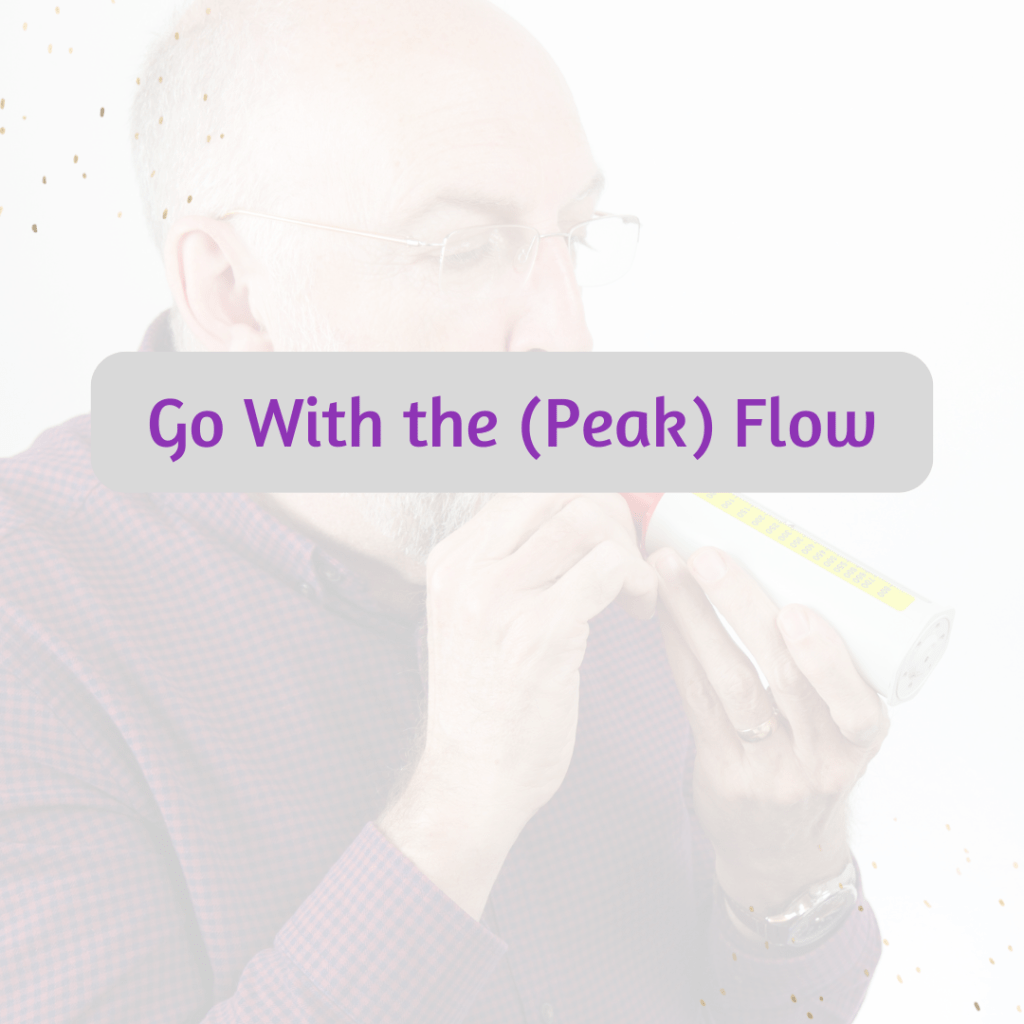
Go With the (Peak) Flow
Insurance companies prioritize objective data, making it vital to incorporate measures like Peak Expiratory Flow (PEF) in Clinical Swallow Evaluations (CSE) to assess cough strength and airway protection. PEF demonstrates a strong correlation with aspiration risks, thereby enhancing dysphagia management through reliable and quick assessments, allowing for better documentation and therapy tracking.
Written by
·
-
The Yale Swallow Protocol
The Yale Swallow Protocol, based on the 3-Ounce Swallow Test, provides a quick screening method for dysphagia, focusing on cognition and oral motor function. Administering involves giving a patient three ounces of water to drink while observing for signs of aspiration. This tool is easy to teach, though not suitable for all patients.
Written by
·
-

Assessing the Swallow: A Guide to the Clinical Swallow Evaluation
A thorough swallow assessment is essential in managing dysphagia, uncovering both the “what” and “why” of swallowing difficulties. This guide details the Clinical Swallowing Evaluation (CSE), emphasizing the importance of clarifying referrals, conducting comprehensive patient interviews, and recognizing the need for instrumental assessments to develop effective treatment plans.
Written by
·
-

Swallowing Without a Tongue: Let’s Talk Glossectomy
I’ve worked with a number of patients over the years who’ve had partial glossectomiesbut recently, I’ve had five patients with total glossectomies. Let that sink in for a second. Total glossectomy. As in, no tongue. It sounds like a nearly impossible task: getting someone to eat or drink again when one of the primary driving…
Written by
·
-

Pharyngocise
Patients with head and neck cancer must engage in early swallowing function preservation, ideally before treatment begins. A study demonstrated that the “Pharyngocise” approach provided better outcomes in muscle preservation and swallowing function compared to usual care. Consistent engagement in exercise during treatment can significantly benefit recovery post-therapy.
Written by
·
-

3 Reasons You Should Never “Fake it Till You Make it” in Dysphagia
Faking it in dysphagia therapy poses significant risks. Confidence is essential, but without proper knowledge, misdiagnoses and harmful recommendations can occur. The ASHA Code of Ethics emphasizes honesty and competence. Professionals should seek education, mentorship, and prioritize patient safety, ensuring informed, evidence-based interventions in dysphagia care.
Written by
·
-

My Top Five (Ok TEN+) Continuing Education Courses in Dysphagia
The author reflects on their extensive experience with continuing education in dysphagia, highlighting both enjoyable and frustrating courses. They recommend several impactful CEU programs that are evidence-based and practical for medical SLPs. The conclusion emphasizes that meaningful education can rejuvenate passion and enhance clinical skills in the field.
Written by
·
-

The Cost of Thickened Liquids
Thickened liquids are commonly used in dysphagia management, but there’s a growing interest in alternatives that may offer safer options. While they can be effective, costs of thickening agents are significant and patient preferences vary. The focus should be on individualizing care to balance hydration, health, and quality of life for patients.
Written by
·
-

“Aspiration Risk”
Dr. James Coyle emphasizes the need to rethink labeling patients as “aspiration risks” in dysphagia cases. This label can shape treatment decisions and does not accurately predict pneumonia risk. Various factors, including cognitive status and oral health, play a significant role in pneumonia, challenging the assumption that aspiration alone is a key risk factor.
Written by
·
 Dysphagia Ramblings