-

Math and Dysphagia
View : Math and DysphagiaThe blog post by George Barnes and Doreen Benson emphasizes the importance of incorporating statistics into speech-language pathology (SLP) practices, specifically for treating dysphagia. It discusses common cognitive biases affecting clinical decision-making and stresses the need for a more analytical approach in evaluating patient risks and benefits, promoting better outcomes in care.
-
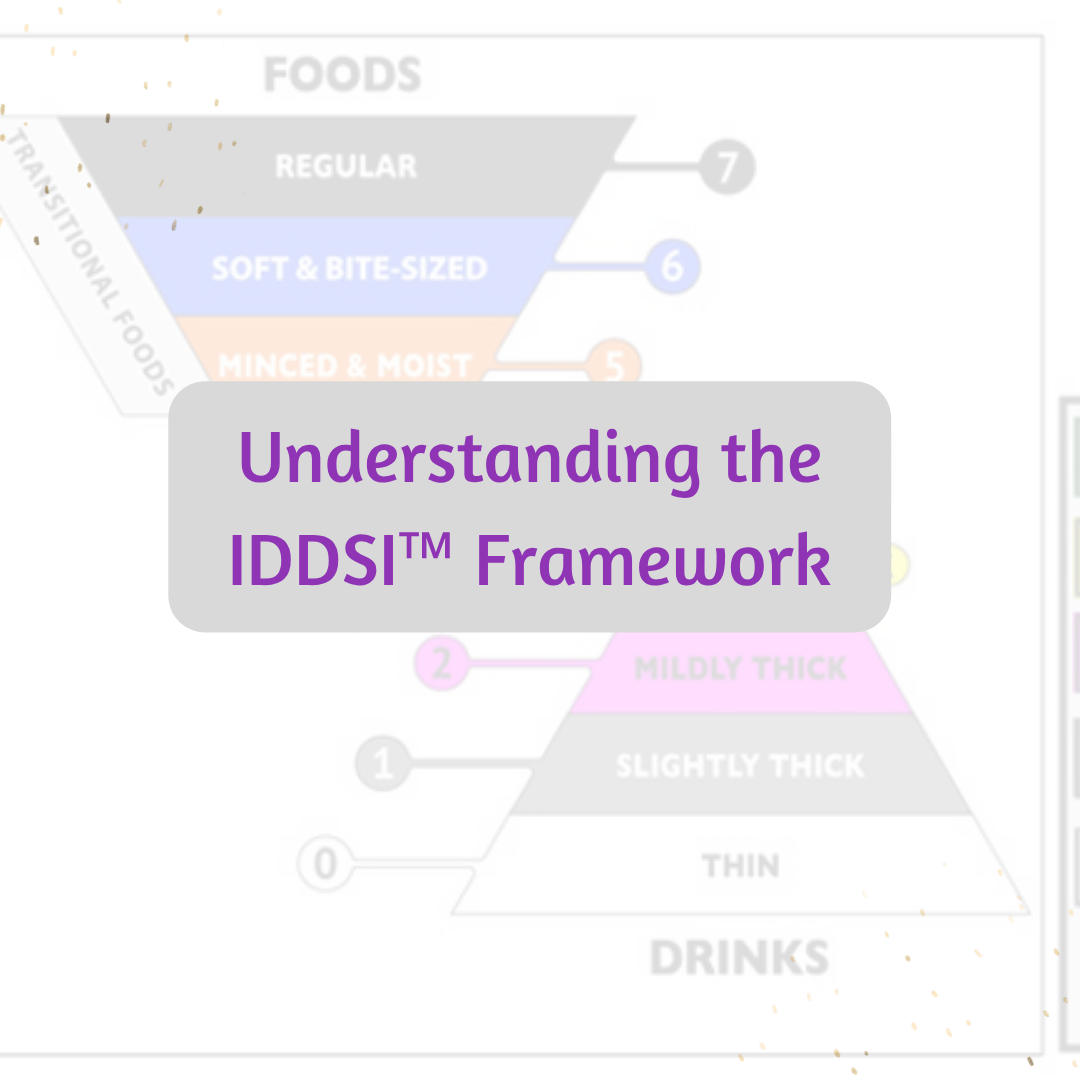
Understanding the IDDSI™ Framework
View : Understanding the IDDSI™ FrameworkThe International Dysphagia Diet Standardisation Initiative (IDDSI™) provides a unified system for food and drink consistencies, enhancing patient safety. It replaces the National Dysphagia Diet, offering clear levels for drinks and foods, minimizing risks. Resources such as testing cards and guides support implementation and training in diverse healthcare settings.
-

Measuring Outcomes for Success…..What are You Using?
View : Measuring Outcomes for Success…..What are You Using?The Dysphagia Toolbox offers valuable tools for dysphagia assessment and treatment. Various free outcome measures like questionnaires and screening tools support clinicians in evaluating patients effectively. These assessments track progress and ensure reliable evaluations, which are essential for optimal dysphagia management and documentation in compliance with healthcare standards.
-

How Cognition Influences Swallowing Safety
View : How Cognition Influences Swallowing SafetyCognition significantly influences swallowing abilities, with cognitive decline leading to increased risks of aspiration and malnutrition. A clinical case illustrated that normalizing sodium levels improved swallowing function. Studies show that cognitive assessments predict aspiration risks, highlighting the importance of screening patients’ orientation and command-following before dysphagia evaluations to ensure safety in oral intake.
-

Post-Extubation Dysphagia: What the Evidence Tells Us
View : Post-Extubation Dysphagia: What the Evidence Tells UsWhat happens to the sensory aspect of the swallow with extubation? What should we expect with patients that have intubation for more than 48 hours?
-

Oral Care
View : Oral CareOral care is crucial in managing dysphagia and preventing aspiration pneumonia. It involves maintaining oral hygiene to reduce harmful bacteria. Various factors contribute to aspiration pneumonia, including health status and oral care quality. Tools like the Oral Health Assessment Tool (OHAT) help evaluate oral health and promote effective care practices.
-

Respiratory Muscle Strength Training (RMST) and Dysphagia
View : Respiratory Muscle Strength Training (RMST) and DysphagiaRMST has strong implications for dysphagia treatment, is surprisingly easy to implement, and (bonus!) is pretty affordable. Whether you’re working in acute care, SNFs, or home health, this is something you’ll want to have in your clinical back pocket. What is RMST? RMST involves strengthening the muscles responsible for inspiration and expiration. There are two…
-

Lingual Strengthening in Dysphagia Therapy: What the Research Really Says
View : Lingual Strengthening in Dysphagia Therapy: What the Research Really SaysLingual strengthening is an emerging focus in dysphagia therapy, emphasizing the tongue’s crucial role in proper swallowing. Research shows that resistance-based exercises enhance tongue strength, swallow safety, and overall quality of life. Various devices, from advanced tools to simple tongue depressors, can be effectively utilized depending on budget and resources.
-

Exercise in Dysphagia Therapy: Let’s Get Functional
View : Exercise in Dysphagia Therapy: Let’s Get FunctionalRecent, and not-so-recent, dysphagia literature has made one thing very clear: exercise physiology belongs in swallowing rehab. Researchers like Lazarus, Robbins, Burkhead, and Clark have emphasized that understanding the muscles involved in swallowing and how they actually function is key to designing exercises that work. Spoiler alert: just having someone swallow applesauce with a side…
-

Chin Tuck Against Resistance (CTAR): A Powerhouse Exercise for Suprahyoid Strengthening
View : Chin Tuck Against Resistance (CTAR): A Powerhouse Exercise for Suprahyoid StrengtheningDiscover how the Chin Tuck Against Resistance (CTAR) exercise supports swallowing rehabilitation, strengthens the suprahyoid muscles, and offers a more accessible alternative to the Shaker exercise.
The Clinician’s Place for Information, Ideas and Awareness



Popular posts

About the Author
Tiffani Wallace, author and creator behind Dysphagia Ramblings, is passionate about sharing information about dysphagia.