Tag: Dysphagia Therapy
-

MD Anderson Bootcamp for Swallowing
Dysphagia post-head and neck cancer treatment is a significant challenge for clinicians. MD Anderson’s 2012 Dysphagia Boot Camp offers a reactive therapy for patients with severe swallowing difficulties. Through intensive, multidisciplinary approaches, participants engage in personalized rehabilitation aiming to improve safety, efficiency, and quality of life, resulting in notable improvements in swallowing outcomes.
Written by
·
-

Redefining Dysphagia Care: From Observation to Rehabilitation
The post discusses the inadequacies of current dysphagia therapy practices, emphasizing the need for instrumental evaluations like MBSS and FEES to properly assess swallowing. It criticizes superficial interventions in favor of evidence-based, individualized rehabilitation strategies that enhance patient outcomes. The author urges speech-language pathologists to adopt a proactive approach in their therapy sessions.
Written by
·
-

Nutrition Essentials for Modified Diets
Nutrition is vital for health, especially for individuals on modified diets, who are at risk of malnutrition. Macronutrients (carbohydrates, proteins, fats) and micronutrients (vitamins, minerals) play crucial roles. Strategies such as food fortification, small frequent meals, and hydration can enhance nutritional intake, ensuring patients maintain health and well-being despite dietary restrictions.
Written by
·
-
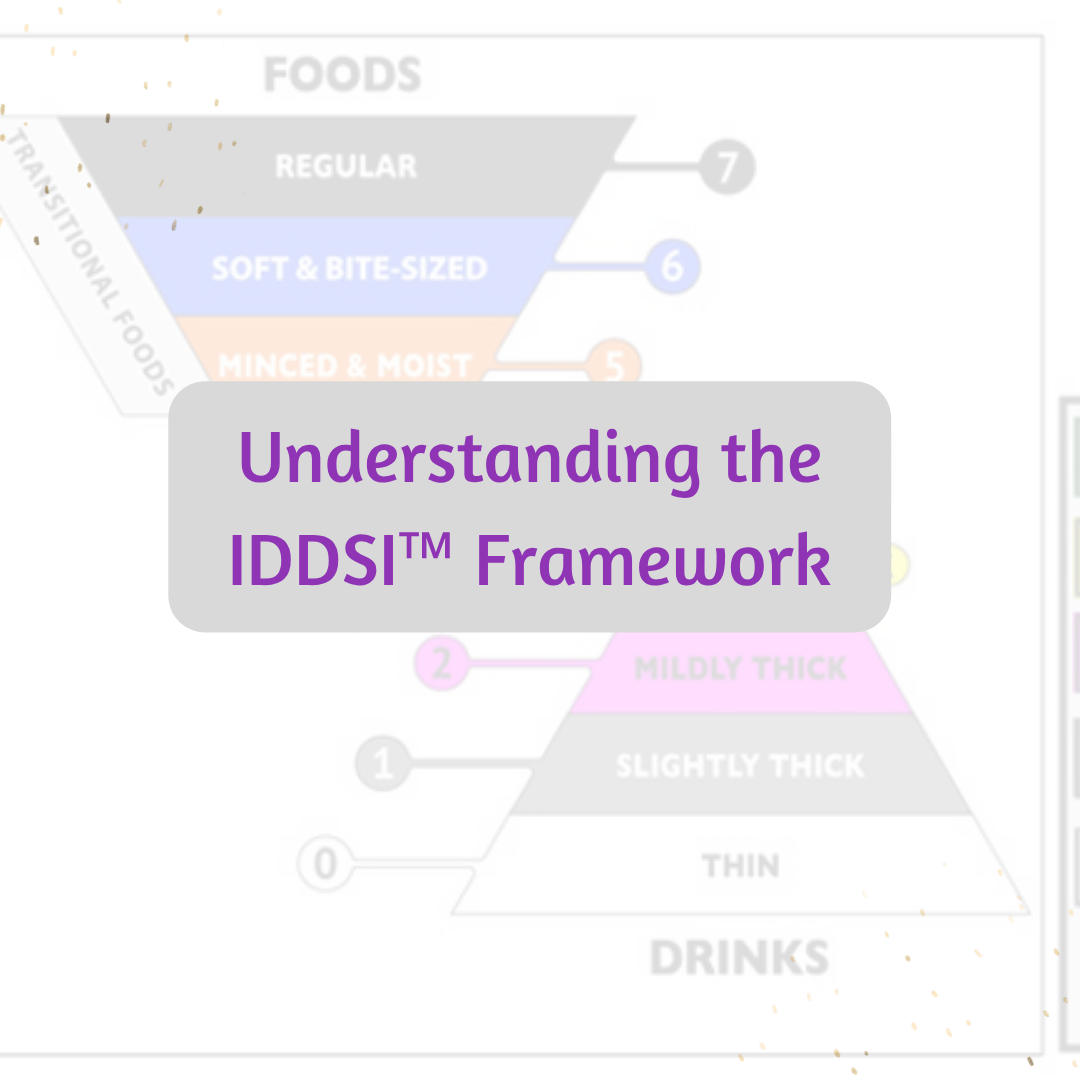
Understanding the IDDSI™ Framework
The International Dysphagia Diet Standardisation Initiative (IDDSI™) provides a unified system for food and drink consistencies, enhancing patient safety. It replaces the National Dysphagia Diet, offering clear levels for drinks and foods, minimizing risks. Resources such as testing cards and guides support implementation and training in diverse healthcare settings.
Written by
·
-
Cervical Auscultation
Cervical Auscultation (CA) uses a stethoscope to listen to swallow sounds, aiding in assessing swallowing and airway function. However, a systematic review reveals insufficient reliability and validity for diagnosing dysphagia in adults and children. CA should not be a stand-alone diagnostic tool, as sound patterns do not consistently correlate with physiological events.
Written by
·
-

Not Nectar (Mildly) Thick: The Truth About Carbonated Beverages and Dysphagia
Carbonated beverages are being explored in dysphagia management as a sensory strategy to enhance swallowing safety, not as thickened liquids. Research indicates carbonation may stimulate the Trigeminal nerve, potentially improving swallow function for some patients. However, effectiveness varies individually, necessitating personalized assessment rather than substitution for thickened liquids.
Written by
·
-
Compliance or Choice? Rethinking the “Noncompliant” Dysphagia Patient
The post discusses evolving perspectives on patient noncompliance in dysphagia management. It suggests reframing noncompliance as patient choice, emphasizing the importance of education and support rather than discharge. Highlighting that not all aspirators contract pneumonia, it advocates for individualized approaches in therapy that empower patients to make informed decisions about their care and safety.
Written by
·
-
What is the McNeill Dysphagia Therapy Program (MDTP) and Why Should SLPs Care?
At the end of the day, our patients deserve the most current, evidence-supported, and effective dysphagia therapy we can offer. MDTP isn’t just another technique—it’s a shift in how we think about swallowing rehab. Let’s get out of the “tongue wag” era and into therapy that moves the needle.
Written by
·