Tag: Swallowing Assessment
-

Manual Therapy for Fibrosis-Related Dysphagia in Head and Neck Cancer: Understanding the MANTLE Trial
The MANTLE trial explored manual therapy’s effectiveness in improving swallowing difficulties caused by radiation-induced fibrosis in head and neck cancer survivors. Preliminary findings indicated that manual therapy was feasible and well-tolerated, with some participants showing improved cervical mobility and potential swallowing function. The study suggests a need for further research on this approach.
Written by
·
-

Kinesio Tape in Dysphagia Therapy: What the Research Says
Kinesio tape, developed in the 1970s, is gaining traction beyond sports medicine, particularly in dysphagia therapy. Research suggests it can enhance muscle function related to swallowing, improve lip closure, and aid in managing head and neck lymphedema. While not a standalone treatment, it supports existing rehabilitation efforts.
Written by
·
-

Dysphagia Care in Dementia: What Clinicians Should Know
This text discusses the challenges of managing dysphagia in patients with dementia, highlighting limited research and the ineffectiveness of standard interventions like thickened liquids and PEG tubes. Clinicians are encouraged to prioritize quality of life through informed decision-making and tailored strategies, adapting care to meet individual patient needs and circumstances.
Written by
·
-

The 3 Questions You Need to Answer During the CSE
The Clinical Swallow Evaluation (CSE) is vital for understanding a patient’s swallowing difficulties beyond anatomy and physiology. Key questions include: the patient’s past swallowing experiences, current difficulties, and desired outcomes. These inquiries help create a tailored plan of care, ensuring patient and caregiver involvement in the treatment process.
Written by
·
-

BOLUS Framework
BOLUS Framework Quick Guide A Practical Dysphagia Reference for SLPs The BOLUS framework helps clinicians think beyond aspiration alone when evaluating the risk of an adverse event in patients with dysphagia. Aspiration does not automatically lead to aspiration pneumonia or pulmonary complications. Risk is influenced by the aspirated material, the patient’s host defenses, overall health,…
Written by
·
-
LSVT LOUD and Swallowing: How a Voice Treatment Helps Dysphagia
LSVT LOUD, originally for Parkinson’s voice issues, may also benefit swallowing due to shared anatomical structures. Research indicates it can enhance vocal fold closure, improve cough strength, and optimize neuromuscular control, leading to better swallowing efficiency. However, further studies are needed to establish its efficacy for dysphagia universally.
Written by
·
-

The Free Water Protocol: Why Sometimes All a Patient Wants Is Just… Water
The Free Water Protocol allows certain patients, particularly those on thickened liquids or NPO status, to safely consume regular water between meals. Emphasizing hydration and patient dignity, it incorporates oral care and eligibility criteria. Research shows it enhances hydration and patient satisfaction, countering dehydration and fostering a sense of normalcy in care.
Written by
·
-

How to Prevent Dehydration in Dysphagia: Evidence-Based Hydration Tools for SLPs
Discover safe, research-supported hydration techniques for dysphagia—ice chips, free water, moisture-rich foods, and oral care to reduce dehydration risk.
Written by
·
-
Flexible Endoscopic Evaluation of Swallowing (FEES) One Gold Standard Assessment
FEES (Flexible Endoscopic Evaluation of Swallowing) is an assessment procedure gaining recognition alongside the Modified Barium Swallow Study (MBSS). It allows real-time visualization of swallowing mechanics without barium, offering insights into aspiration and residue. Myths surrounding FEES, such as pain and safety, are debunked, reinforcing its value in dysphagia diagnosis.
Written by
·
-
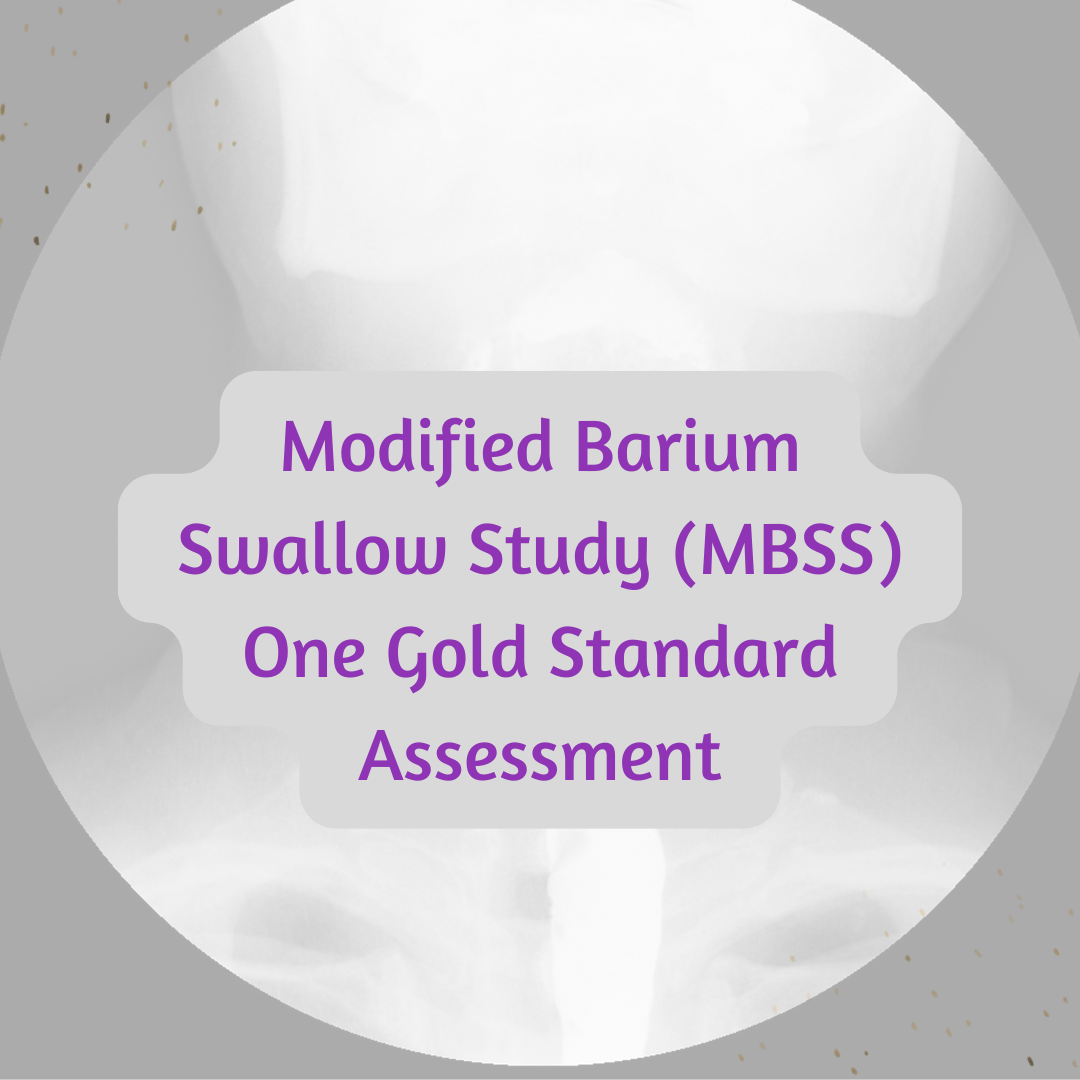
Modified Barium Swallow Study (MBSS) One Gold Standard Assessment
The dysphagia field is divided between Modified Barium Swallow Study (MBSS) and Flexible Endoscopic Evaluation of Swallowing (FEES). Each assessment has its strengths, and using both together offers a comprehensive understanding of swallowing function. Advocating for access to both methods can enhance patient evaluation and treatment outcomes, focusing on physiological deficits rather than just safety.
Written by
·