Tag: Swallowing Assessment
-

30 Facts About Dysphagia to Raise Awareness and Improve Patient Care
June is Dysphagia Awareness Month, highlighting the condition affecting millions. Dysphagia, or difficulty swallowing, can stem from various underlying issues and leads to serious health risks. Speech-Language Pathologists play a vital role in diagnosis and treatment. Raising awareness about dysphagia improves outcomes for patients, caregivers, and healthcare providers alike.
Written by
·
-

Math and Dysphagia
The blog post by George Barnes and Doreen Benson emphasizes the importance of incorporating statistics into speech-language pathology (SLP) practices, specifically for treating dysphagia. It discusses common cognitive biases affecting clinical decision-making and stresses the need for a more analytical approach in evaluating patient risks and benefits, promoting better outcomes in care.
Written by
·
-
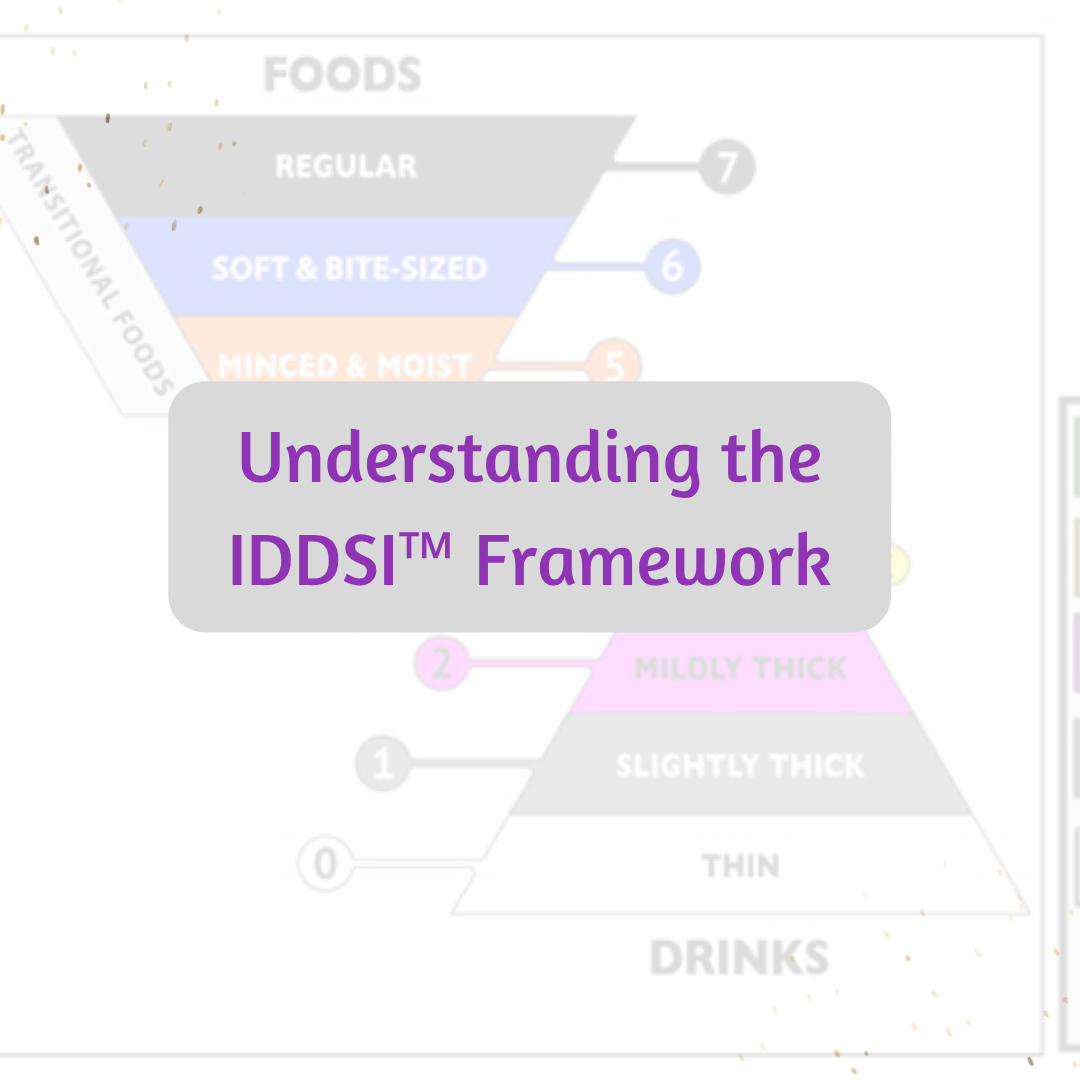
Understanding the IDDSI™ Framework
The International Dysphagia Diet Standardisation Initiative (IDDSI™) provides a unified system for food and drink consistencies, enhancing patient safety. It replaces the National Dysphagia Diet, offering clear levels for drinks and foods, minimizing risks. Resources such as testing cards and guides support implementation and training in diverse healthcare settings.
Written by
·
-

How Cognition Influences Swallowing Safety
Cognition significantly influences swallowing abilities, with cognitive decline leading to increased risks of aspiration and malnutrition. A clinical case illustrated that normalizing sodium levels improved swallowing function. Studies show that cognitive assessments predict aspiration risks, highlighting the importance of screening patients’ orientation and command-following before dysphagia evaluations to ensure safety in oral intake.
Written by
·
-
Post-Extubation Dysphagia: What the Evidence Tells Us
What happens to the sensory aspect of the swallow with extubation? What should we expect with patients that have intubation for more than 48 hours?
Written by
·
-

Compensatory Techniques
Compensatory strategies aid individuals facing swallowing difficulties, such as aspiration or mastication issues, by altering swallowing mechanics. Techniques include specific maneuvers and postures designed to improve swallow efficacy. While some strategies offer short-term solutions, others may provide lasting benefits, warranting assessment for effectiveness during instrumental evaluations.
Written by
·
-
Advocating for Instrumental Assessment
Many speech-language pathologists (SLPs) forgo instrumental assessments for dysphagia due to lack of access and facility policies. This can lead to misdiagnosis and increased healthcare costs. Advocating for instrumental evaluations is crucial, as they can reduce unnecessary dietary modifications and rehospitalizations, ultimately improving patient outcomes and saving money.
Written by
·
-

What the Heck is the MBSImP?
The Modified Barium Swallow Impairment Profile (MBSImP™) standardizes the interpretation of Modified Barium Swallow Studies (MBSS) through a clear, evidence-based protocol. Developed by Dr. Bonnie Martin-Harris, it focuses on assessing and treating dysphagia by quantifying impairments, guiding rehabilitation, and enhancing clinical understanding of swallowing dysfunction.
Written by
·
-

Laryngeal Palpation in Swallowing Evaluations: Feel It to Believe It?
As the patient swallows, the SLP feels for hyolaryngeal movement to judge the speed and completeness of elevation. It’s a technique that’s been around for a while—but how reliable is it?
Written by
·
-
Cervical Auscultation
Cervical Auscultation (CA) uses a stethoscope to listen to swallow sounds, aiding in assessing swallowing and airway function. However, a systematic review reveals insufficient reliability and validity for diagnosing dysphagia in adults and children. CA should not be a stand-alone diagnostic tool, as sound patterns do not consistently correlate with physiological events.
Written by
·