-
Feeding Tubes and Dysphagia
View : Feeding Tubes and DysphagiaFeeding tubes are medical interventions used for nutrition and hydration, not cures for dysphagia. Decisions to recommend them must consider various factors and not just aspiration risks, which they do not prevent. SLPs play an essential role in patient education and decision-making but cannot mandate feeding tube placement.
-
LSVT LOUD and Swallowing: How a Voice Treatment Helps Dysphagia
View : LSVT LOUD and Swallowing: How a Voice Treatment Helps DysphagiaLSVT LOUD, originally for Parkinson’s voice issues, may also benefit swallowing due to shared anatomical structures. Research indicates it can enhance vocal fold closure, improve cough strength, and optimize neuromuscular control, leading to better swallowing efficiency. However, further studies are needed to establish its efficacy for dysphagia universally.
-

The Free Water Protocol: Why Sometimes All a Patient Wants Is Just… Water
View : The Free Water Protocol: Why Sometimes All a Patient Wants Is Just… WaterThe Free Water Protocol allows certain patients, particularly those on thickened liquids or NPO status, to safely consume regular water between meals. Emphasizing hydration and patient dignity, it incorporates oral care and eligibility criteria. Research shows it enhances hydration and patient satisfaction, countering dehydration and fostering a sense of normalcy in care.
-

How to Prevent Dehydration in Dysphagia: Evidence-Based Hydration Tools for SLPs
View : How to Prevent Dehydration in Dysphagia: Evidence-Based Hydration Tools for SLPsDiscover safe, research-supported hydration techniques for dysphagia—ice chips, free water, moisture-rich foods, and oral care to reduce dehydration risk.
-

Strength vs. Skill in Swallowing: Rethinking Dysphagia Therapy Approaches
View : Strength vs. Skill in Swallowing: Rethinking Dysphagia Therapy ApproachesShould dysphagia therapy focus on skill training or strength training? Learn how both approaches impact swallowing rehabilitation, why exercise science principles matter, and what research says about effective therapy strategies for SLPs.
-

MD Anderson Bootcamp for Swallowing
View : MD Anderson Bootcamp for SwallowingDysphagia post-head and neck cancer treatment is a significant challenge for clinicians. MD Anderson’s 2012 Dysphagia Boot Camp offers a reactive therapy for patients with severe swallowing difficulties. Through intensive, multidisciplinary approaches, participants engage in personalized rehabilitation aiming to improve safety, efficiency, and quality of life, resulting in notable improvements in swallowing outcomes.
-

Redefining Dysphagia Care: From Observation to Rehabilitation
View : Redefining Dysphagia Care: From Observation to RehabilitationThe post discusses the inadequacies of current dysphagia therapy practices, emphasizing the need for instrumental evaluations like MBSS and FEES to properly assess swallowing. It criticizes superficial interventions in favor of evidence-based, individualized rehabilitation strategies that enhance patient outcomes. The author urges speech-language pathologists to adopt a proactive approach in their therapy sessions.
-

Flexible Endoscopic Evaluation of Swallowing (FEES) One Gold Standard Assessment
View : Flexible Endoscopic Evaluation of Swallowing (FEES) One Gold Standard AssessmentFEES (Flexible Endoscopic Evaluation of Swallowing) is an assessment procedure gaining recognition alongside the Modified Barium Swallow Study (MBSS). It allows real-time visualization of swallowing mechanics without barium, offering insights into aspiration and residue. Myths surrounding FEES, such as pain and safety, are debunked, reinforcing its value in dysphagia diagnosis.
-
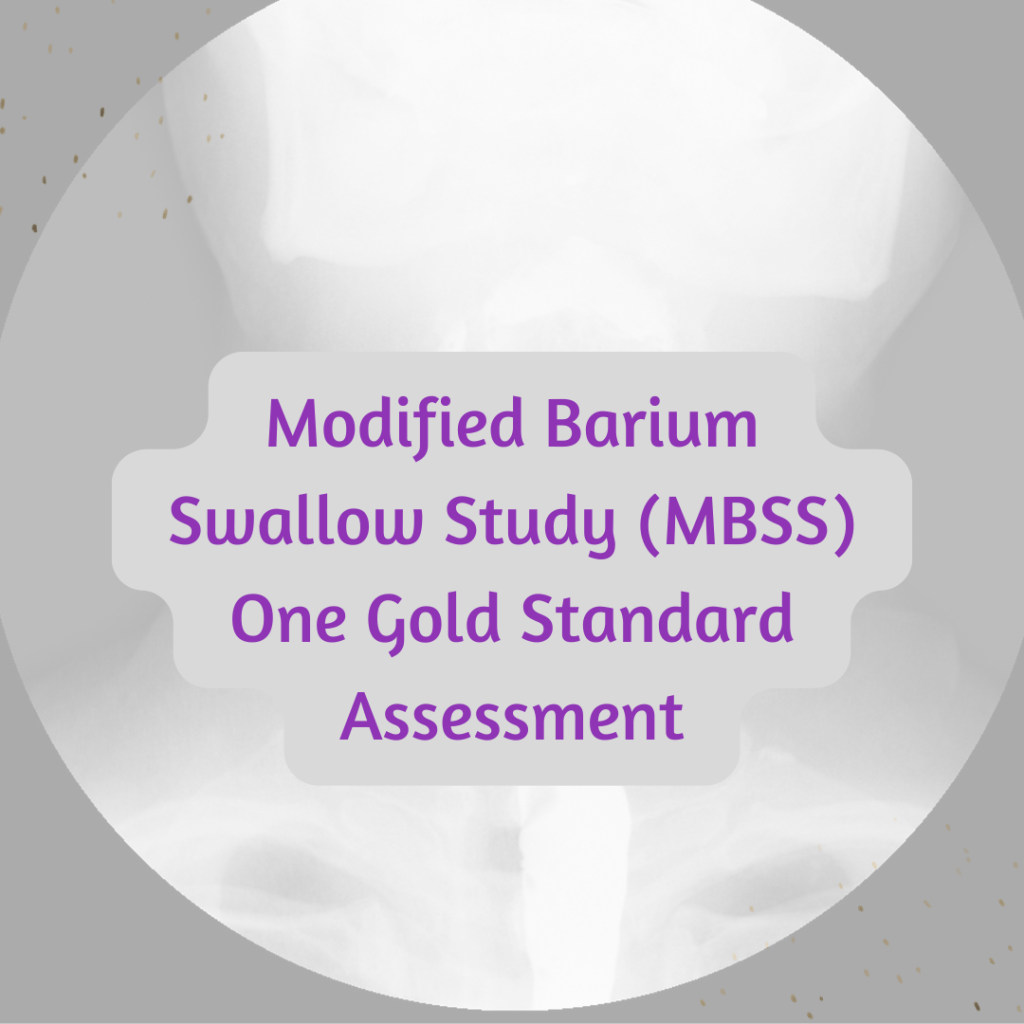
Modified Barium Swallow Study (MBSS) One Gold Standard Assessment
View : Modified Barium Swallow Study (MBSS) One Gold Standard AssessmentThe dysphagia field is divided between Modified Barium Swallow Study (MBSS) and Flexible Endoscopic Evaluation of Swallowing (FEES). Each assessment has its strengths, and using both together offers a comprehensive understanding of swallowing function. Advocating for access to both methods can enhance patient evaluation and treatment outcomes, focusing on physiological deficits rather than just safety.
-

30 Facts About Dysphagia to Raise Awareness and Improve Patient Care
View : 30 Facts About Dysphagia to Raise Awareness and Improve Patient CareJune is Dysphagia Awareness Month, highlighting the condition affecting millions. Dysphagia, or difficulty swallowing, can stem from various underlying issues and leads to serious health risks. Speech-Language Pathologists play a vital role in diagnosis and treatment. Raising awareness about dysphagia improves outcomes for patients, caregivers, and healthcare providers alike.
The Clinician’s Place for Information, Ideas and Awareness



Popular posts

About the Author
Tiffani Wallace, author and creator behind Dysphagia Ramblings, is passionate about sharing information about dysphagia.



 Dysphagia Ramblings