-

Nutrition Essentials for Modified Diets
View : Nutrition Essentials for Modified DietsNutrition is vital for health, especially for individuals on modified diets, who are at risk of malnutrition. Macronutrients (carbohydrates, proteins, fats) and micronutrients (vitamins, minerals) play crucial roles. Strategies such as food fortification, small frequent meals, and hydration can enhance nutritional intake, ensuring patients maintain health and well-being despite dietary restrictions.
-
Modern Dysphagia Cooking: Turn Family Favorites into Dysphagia-Friendly Dishes
View : Modern Dysphagia Cooking: Turn Family Favorites into Dysphagia-Friendly DishesSimply Thick has released a cookbook featuring dysphagia-friendly recipes compliant with IDDSI levels 4, 5, and 6. It includes simple pureeing techniques for common foods, alongside informative chapters on dysphagia and nutrition. This resource aids families, patients, and caregivers in preparing compliant meals, enhancing dietary understanding and meal preparation.
-

SWIK Oral Suction System
View : SWIK Oral Suction SystemThe SWIK Oral Suction System is an innovative solution for managing oral secretions. Unlike traditional suction methods, it uses a small sponge to collect secretions hands-free. Its design emphasizes user comfort and dignity. Created by hairdresser Rebecca Altounian, it offers a discreet alternative for those needing assistance.
-
Intensive Dysphagia Rehabilitation (IDR)
View : Intensive Dysphagia Rehabilitation (IDR)Intensive Dysphagia Rehabilitation (IDR) streamlines therapy for patients with moderate to severe dysphagia through evidence-based protocols leveraging neuroplasticity. By focusing on targeted swallowing exercises and patient adherence, IDR enhances treatment efficacy, improving patient outcomes and compliance. It marks a significant shift from compensation to active rehabilitation in dysphagia therapy.
-

Head and Neck Cancer and Dysphagia: Treatment Options and Timing
View : Head and Neck Cancer and Dysphagia: Treatment Options and TimingEffective management of dysphagia in head and neck cancer patients involves early assessment and initiation of swallowing therapy alongside treatment. Various strategies, including rigorous swallowing exercises and innovative programs like MD Anderson’s Swallowing Boot Camp, show promise in improving swallowing function and quality of life, despite challenges in standardization and adherence.
-

Math and Dysphagia
View : Math and DysphagiaThe blog post by George Barnes and Doreen Benson emphasizes the importance of incorporating statistics into speech-language pathology (SLP) practices, specifically for treating dysphagia. It discusses common cognitive biases affecting clinical decision-making and stresses the need for a more analytical approach in evaluating patient risks and benefits, promoting better outcomes in care.
-
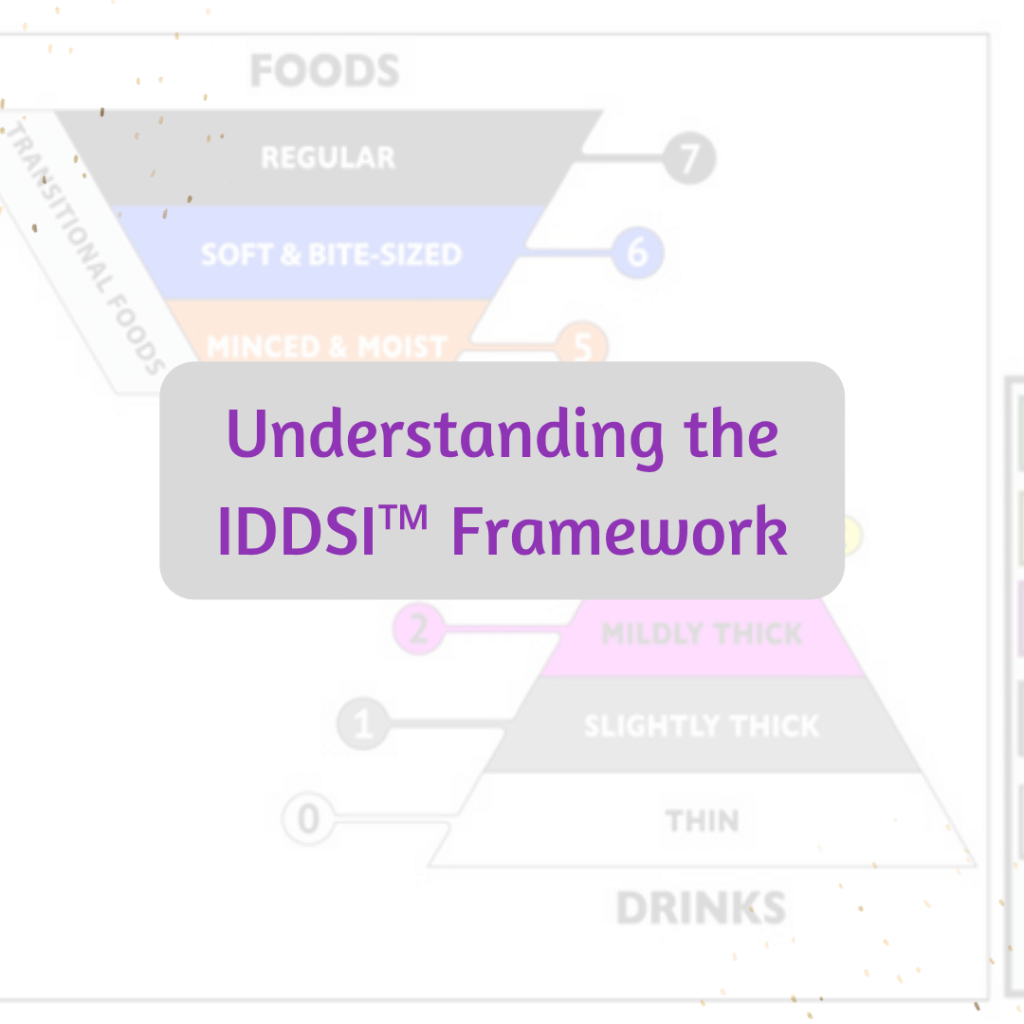
Understanding the IDDSI™ Framework
View : Understanding the IDDSI™ FrameworkThe International Dysphagia Diet Standardisation Initiative (IDDSI™) provides a unified system for food and drink consistencies, enhancing patient safety. It replaces the National Dysphagia Diet, offering clear levels for drinks and foods, minimizing risks. Resources such as testing cards and guides support implementation and training in diverse healthcare settings.
-

Measuring Outcomes for Success…..What are You Using?
View : Measuring Outcomes for Success…..What are You Using?The Dysphagia Toolbox offers valuable tools for dysphagia assessment and treatment. Various free outcome measures like questionnaires and screening tools support clinicians in evaluating patients effectively. These assessments track progress and ensure reliable evaluations, which are essential for optimal dysphagia management and documentation in compliance with healthcare standards.
-

How Cognition Influences Swallowing Safety
View : How Cognition Influences Swallowing SafetyCognition significantly influences swallowing abilities, with cognitive decline leading to increased risks of aspiration and malnutrition. A clinical case illustrated that normalizing sodium levels improved swallowing function. Studies show that cognitive assessments predict aspiration risks, highlighting the importance of screening patients’ orientation and command-following before dysphagia evaluations to ensure safety in oral intake.
-

Post-Extubation Dysphagia: What the Evidence Tells Us
View : Post-Extubation Dysphagia: What the Evidence Tells UsWhat happens to the sensory aspect of the swallow with extubation? What should we expect with patients that have intubation for more than 48 hours?
The Clinician’s Place for Information, Ideas and Awareness



Popular posts

About the Author
Tiffani Wallace, author and creator behind Dysphagia Ramblings, is passionate about sharing information about dysphagia.



 Dysphagia Ramblings